By Nick Collins, Farm Engagement Lead
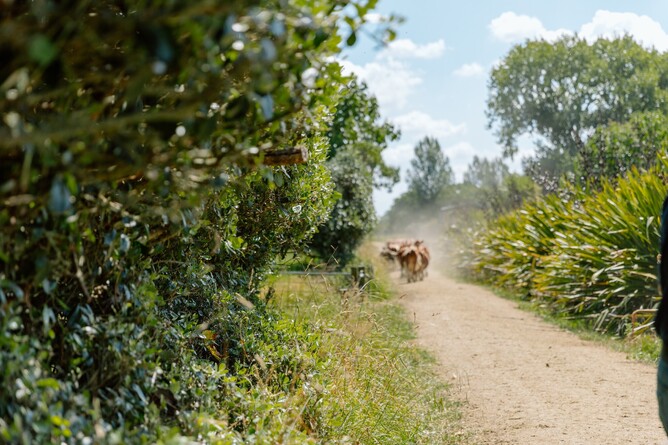
At Rere ki uta rere ki tai we are always exploring practical ways to help farmers build systems that are resilient, productive, and connected to the whenua. One approach that is gaining momentum across our partner farms is vertical grazing. This method introduces edible trees and shrubs into paddocks to create living shelterbelts and hedgerows that provide up to three metres of vertical forage on each side. These systems support livestock, the soil, and the wider farm ecosystem.
What is Vertical Grazing?
Vertical grazing adds layers of edible vegetation into the farm landscape. Instead of relying only on ground level pasture, animals can browse from shrubs and trees that provide:
• A more diverse diet, including medicinal and nutrient dense species
• Shade and shelter that helps buffer heat and cold
• Year round fodder from evergreen species
• Improved soil health through deep rooting plants that feed the soil microbes
• Better biodiversity and stronger ecosystem function across the whole farm
As Nick explains, this type of system supports both the animals above ground and the life beneath it. When we increase plant diversity, we increase the nutrient cycling potential of the farm. This improves the gut microbiome in livestock and helps build a soil environment that supports a thriving microbial community.
Why Vertical Grazing Matters
Farmers who adopt vertical grazing are seeing benefits across several areas of the farm system. These include:
• Greater drought resilience
• Reduced reliance on synthetic fertiliser
• Improved animal health and behaviour
• Increased carbon sequestration
• More nutrient cycling and healthier soils
• Stronger landscape function and farm aesthetics
• A lift in the wellbeing of animals, people, and the environment
Vertical grazing also fits within a whole landscape approach, supporting riparian zones, steep land, paddock edges, and shelter areas. Functional trees and shrubs help reduce wind tunnels, filter sunlight, and create a more stable microclimate for pasture and livestock.
What to Plant
A good vertical grazing system uses a mix of deciduous and evergreen species, supported by herbs and companion plants that bring additional nutritional and medicinal benefits. It’s also important to match species to the local environment, climate, and soil conditions. What thrives in one region may struggle in another. Coastal farms, for example, may see salt burn on species like poplar and willow, while inland or hill-country farms can successfully integrate them.
Tall deciduous trees
Poplar, willow, alder, elm, walnut, liquidambar, and fruit trees
These provide seasonal shade, fodder, shelter, wind filtration, and valuable leaf fall. They can also be coppiced to produce woodchip for mulch or calf bedding.
Evergreen understory
Harakeke (flax), toetoe, pittosporum, akeake, feijoa, karaka, griselinia, coprosma, and kawakawa.
These species provide structure, shelter, and browse all year, preventing the lollipop effect that occurs when only tall trees are used. There are many other suitable understory natives and farmers can select species that suit their climate, soil, and management style.
Medicinal and companion herbs
Comfrey, sage, parsley, marigold, and other forage herbs
These support biodiversity, soil health, and animal health.
The purpose is to create a system that provides multiple layers of benefit for livestock, soil, and the wider farm ecosystem. Over time this leads to upwardly compounding improvements in the health of soils, plants, animals, people, and the planet.
How Far Can Animals Browse?
Vertical grazing often provides two to three metres of browse on either side of a shelterbelt, but this can extend much further both upward and outward depending on how the shelterbelt is managed. At Gavin's farm, for example, browse extends well beyond three metres into the paddock when the shelterbelts are not pruned. Farmers can choose the level of management that suits their goals, labour availability, and machinery access.Nick’s Advice for Farmers
Nick encourages farmers to start small and learn from others.
“Get some advice. Visit those farmers who already have a tree planting programme in place. Learn the pros and cons. Think about what suits your local context including climate, soil type, and regional conditions, and choose species that are well adapted to the environment you are planting into. Consider the wider picture and benefits. Make a start and plant an area that is visible and ticks many of the benefits outlined here.”
Why January is the Perfect Time to Plan
Summer is the ideal moment to start planning for autumn and winter planting. Tree and shrub orders often need to be placed early to secure the right species and volumes. January gives farmers time to:
• Map out paddocks or lanes where vertical grazing could work
• Order trees and plants before nurseries sell out
• Prepare ground and fencing for autumn establishment
• Connect with the Rere ki uta rere ki tai team to explore options
Nick will be checking in with farmers after this blog goes out to help identify interest for the next planting season.
Ready to Explore Vertical Grazing?
This work is part of our commitment to supporting farming systems that restore the mana and mauri of soil, and that help build healthier, more resilient farms across Aotearoa.
To get set up with vertical grazing, contact Nick Collins, our Farm Engagement Lead.
Mobile: 027 666 2027
Email: nick@agrisea.co.nz