Ngā Pāmu | Our Farms
From the Mountains to the Sea – Farms Leading the Way
Across the Waikato and Bay of Plenty, ten courageous farms are part of the Rere ki uta, rere ki tai journey. These are more than just farms, they're living case studies for system change, where innovative practices and indigenous knowledge are being woven together to regenerate whenua, whānau, and food systems.
Each pāmu (farm) is unique, bringing its own challenges, goals, and values to the project. What unites them is a shared commitment to better land management, healthier soils, and long-term resilience.
Header image by Shepherdess
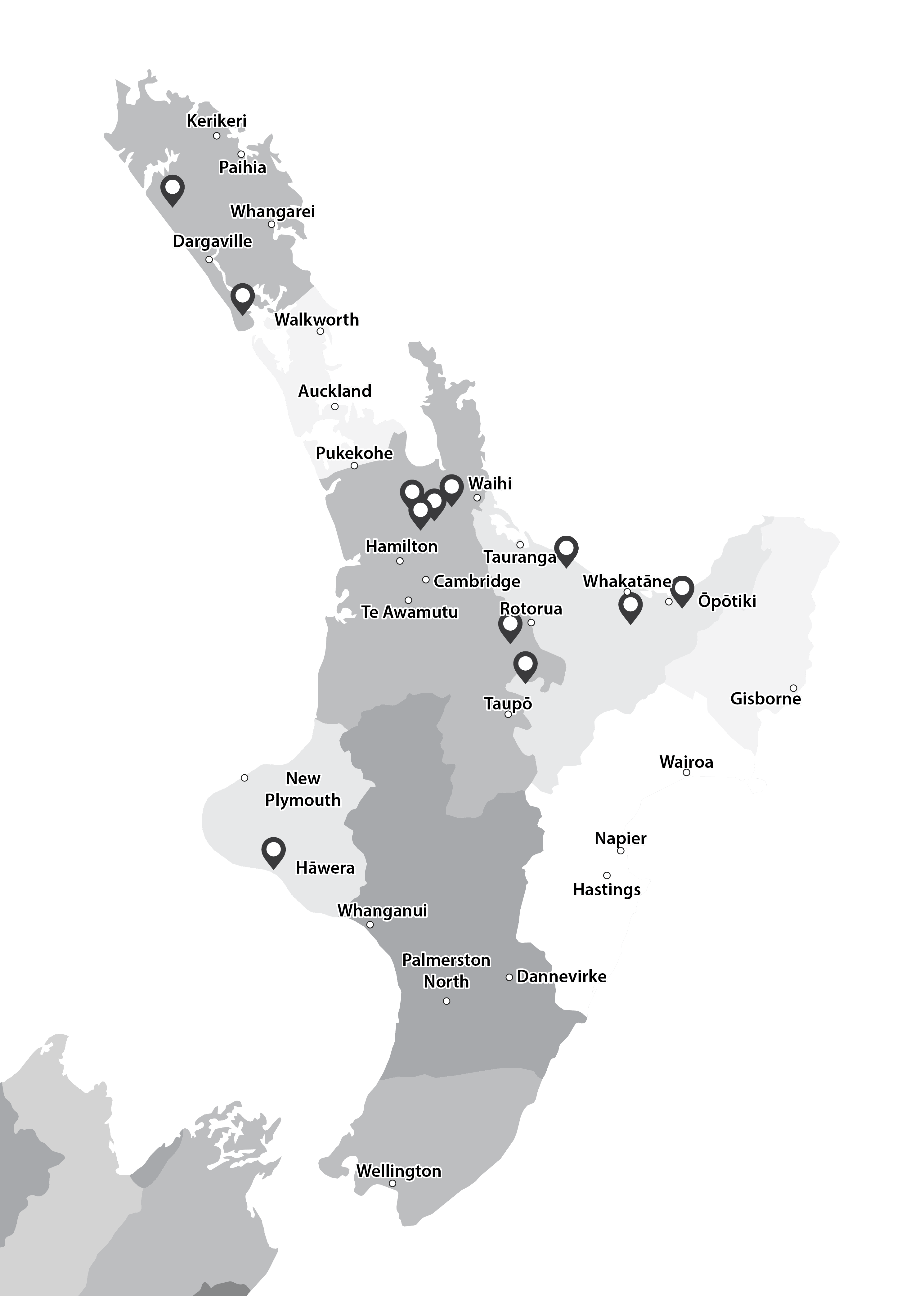
Where our farms are located
Our participating farms span Waikato, Bay of Plenty, and Northland, covering a diverse mix of land types—from rolling inland hills to rich coastal flats.
Each location reflects a different approach to farming, soil management, and community values. Together, these ten farms are helping us explore what works best when we blend mātauranga Māori, farmer knowledge, and science to regenerate te taiao.
Meet Our Farmers
There are 12 pāmu (farms) involved in the Rere ki uta, rere ki tai research. Our Kaimahi Pāmu (farmers) represent a rich cross-section of Aotearoa’s food and fibre system—ranging from conventional to organic farms, iwi-owned and private Māori and Pākehā operations, newly established ventures to intergenerational whānau farms.
They supply to Fonterra, Synlait, and Miraka, and each brings its own unique history, values, and connection to te taiao, shaping the way they approach change and contribute to collective learning.

Wilith Farm
Atiamuri, Waikato Region
Bio
Miah and Jenny Smith are the owner-operators of Willith Farm, a 260-hectare dairy operation in Atiamuri, milking 520 cows. Converted from forestry in 2007 and family-owned since 2011, the farm reflects a strong commitment to building a resilient and sustainable system in a challenging landscape.
Operating a low-input system, Miah and Jenny focus on improving long-term productivity through careful land use, reduced nitrogen inputs, and a growing emphasis on biodiversity and environmental outcomes. The farm is currently undergoing significant development, including large-scale shelter planting, gully restoration, and targeted retirement of less productive land.
With a practical and independent approach, they are passionate about finding solutions that balance profitability with environmental responsibility. Their focus on landscape planning, soil health, and regenerative practices highlights Willith Farm as a forward-thinking operation, navigating the transition toward more sustainable dairying in the South Waikato.
Waipapa Trust
Hawera, Taranaki Region
Bio
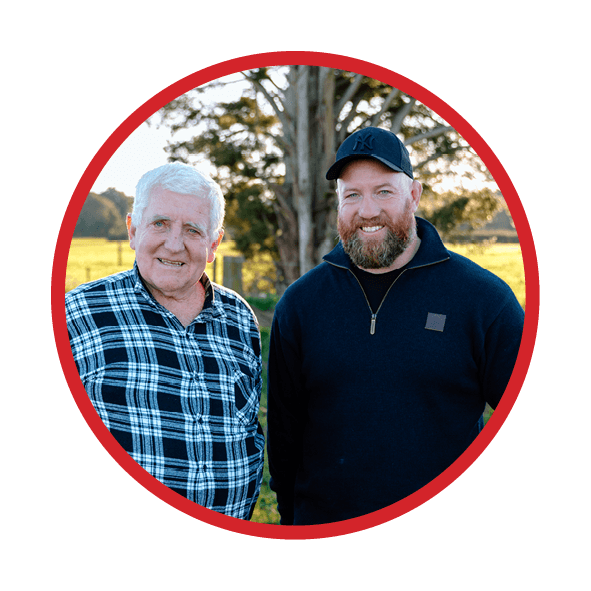
Roger and Michael Bent are the owner-operators of Waipapa Dairy Ltd, a 120-hectare dairy farm in Hāwera, milking 391 cows. As an equity partnership, they bring a shared focus on improving farm performance through practical, forward-thinking management.
Farming within a higher input system, Roger and Michael are actively exploring ways to build greater resilience, including the use of diverse pasture species to better manage dry conditions and reduce reliance on bought-in feed. Their approach is grounded in strengthening soil health and supporting the farm’s natural systems to drive long-term productivity.
They are also investing in environmental improvements across the property, with ongoing riparian planting, wetland development, and native restoration. With a renewed focus on financial performance and data-driven decision making, Waipapa Dairy Ltd is on a clear journey toward a more efficient, resilient, and sustainable farming system.
Rout Dairies
Matamata-Piako District
Bio
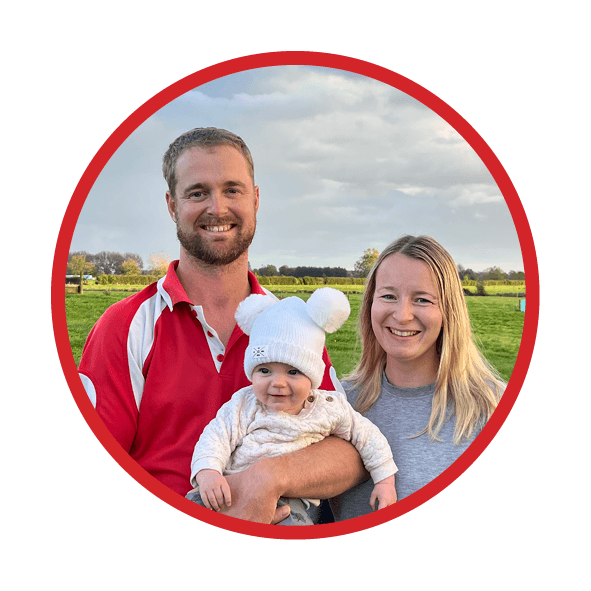
Matt Rout is the owner-operator of Rout Dairies, a 69-hectare dairy farm in Springdale, Waikato, milking 225 cows. A proud intergenerational farmer, Matt continues a family legacy on land that has been farmed by the Rout family since 1936.
Focused on performance, efficiency, and long-term sustainability, Matt is actively transitioning his system to incorporate diverse pasture species, biostimulants, and data-led decision making. His farm consistently delivers strong results, with high pasture harvests and excellent animal condition, supported by technologies such as Halter and advanced milk monitoring systems.
Passionate about continuous improvement, Matt is working to better understand the impact of his practices on soil health, productivity, and environmental outcomes. Alongside this, he is investing in planting and on-farm development to build resilience for the future, making Rout Dairies a standout example of progressive, forward-thinking farming in the region.
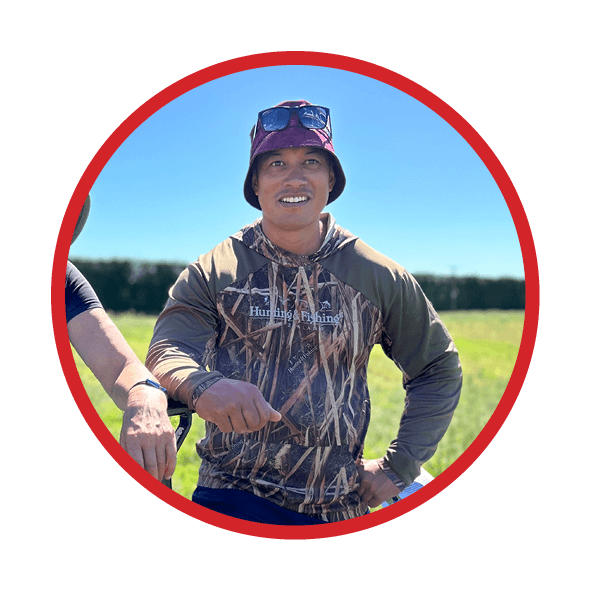
Maa-Vic Farm
Te Puke
Bio
Miru Young is a second-generation farmer at Maa-Vic Farm, an 80-hectare family trust dairy operation in Pukehina, milking 220 cows. Working alongside his family, Miru is focused on building a more holistic and resilient farming system that aligns with the natural landscape.
Operating a lower-input system, Miru has already transitioned a large portion of the farm into diverse pastures, with a strong interest in biological farming and improving soil health. His approach is grounded in learning, community, and a willingness to explore new ways of farming that support long-term sustainability.
Maa-Vic Farm is on a developing journey, with ongoing work in riparian planting and wetland restoration, and a clear vision for deeper environmental integration over time. Miru values the support and shared knowledge within the farming community, using it to guide the next steps in strengthening both farm performance and environmental outcomes.
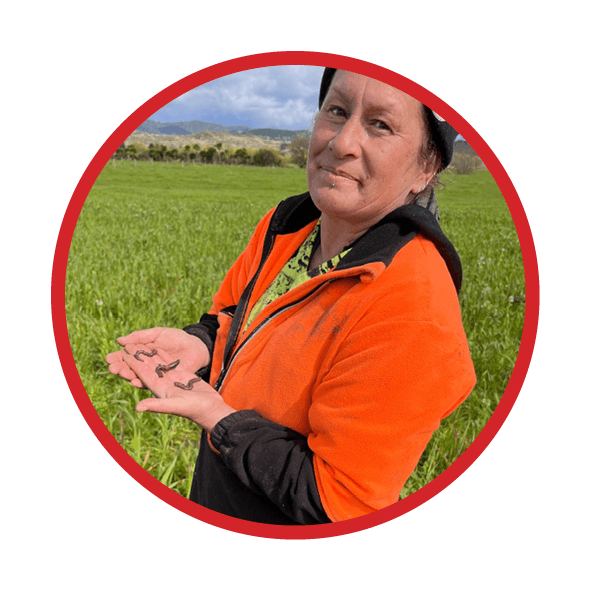
Taitaiwhetu
Whakatāne, Bay of
Plenty Region
Bio
Ngatai Hurkmans and Desma Feakins manage Tataiwhetu Farm, a Māori Trust-owned organic dairy operation in Ruatoki Valley, south of Whakatāne. Milking 360 cows, the farm operates under an organic system and is a certified Fonterra supplier, with a strong commitment to whenua-led farming.
A previous winner of the Ahuwhenua Trophy for Excellence in Māori Farming, Tataiwhetu reflects a deep connection to land, community, and kaitiakitanga. The team is focused on strengthening soil health, improving farm systems, and continuing their transition toward more resilient and sustainable practices.
With a clear vision for the future, Ngatai and Desma are working to enhance biodiversity across the farm through tree planting and landscape development, while refining their nutrient and management approaches. Tataiwhetu Farm represents a values-driven farming system, grounded in mātauranga Māori and a long-term commitment to caring for the land and its people.
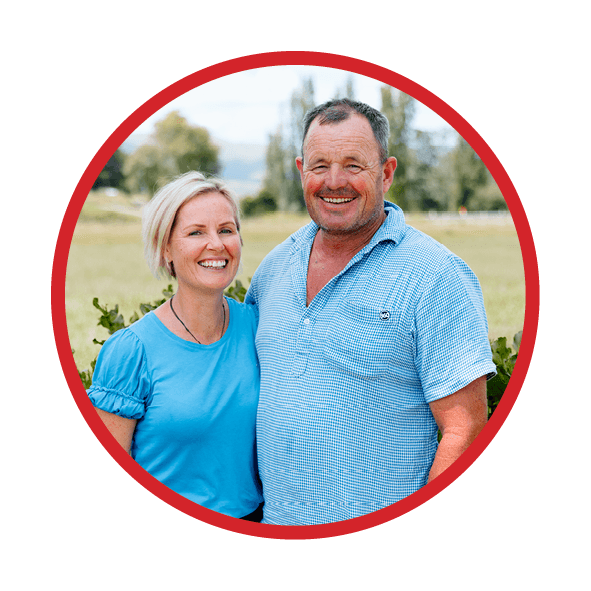
Netherdale Farm
Matamata-Piako District, Bay of Plenty
Bio
Scott and Alicia Paterson are the owner-operators of Netherdale Farm, a 120-hectare dairy operation near Te Aroha, milking 320 cows. Since taking over the farm in 2022, they have focused on building a simple, low-input system that prioritises efficiency, resilience, and profitability.
Farming OAD year-round with no bought-in feed, Scott and Alicia run a tightly managed operation, with a strong emphasis on pasture performance and cost control. Following significant flooding events, they have made major strides in rebuilding and adapting their system to better withstand extreme weather, with a clear focus on long-term resilience.
Alongside their production system, they are actively restoring native biodiversity on farm, including the protection and regeneration of established kahikatea forest. With a practical, independent approach, Scott and Alicia are creating a highly efficient and resilient farming model, grounded in simplicity and continuous improvement.
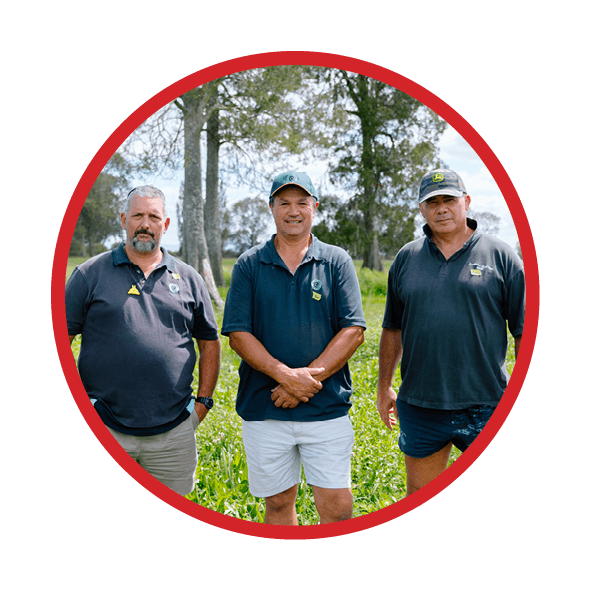
Pouto Tōpū Trust (S&B)
Pouto, Northland
Bio
Nick Rotgans manages Oneroa Dairy, a 235-hectare dairy operation on the Pouto Peninsula, part of the wider Pouto Tōpū Trust. The Trust is a 100% Māori-owned entity with diverse land holdings across dairy, drystock, forestry, and apiculture on the northern edge of the Kaipara Harbour.
Milking 452 cows, Oneroa Dairy operates within a higher input system and is now exploring opportunities to evolve its approach. Nick and the team are particularly interested in integrating mātauranga Māori with practical farming systems, including the use of multispecies pastures, alternative cropping, and improved weed management.
With a strong connection to whenua and a focus on long-term sustainability, the farm is at the early stages of a transition toward more resilient and environmentally aligned practices. Oneroa Dairy reflects a values-led approach to farming, balancing productivity with a commitment to future-focused land stewardship.
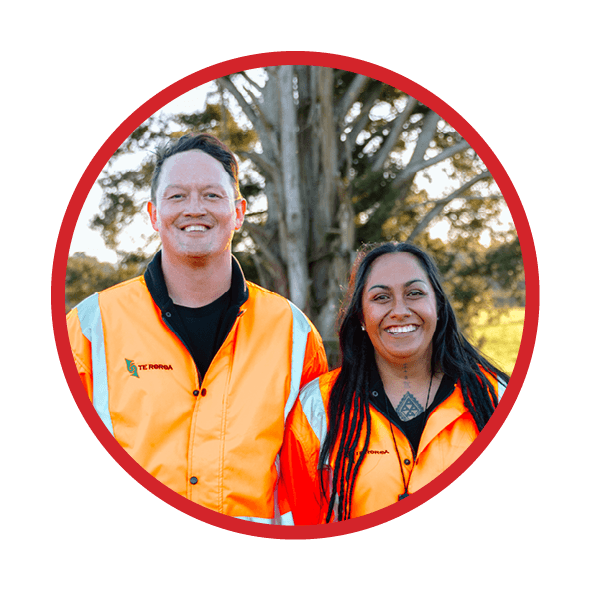
Te Roroa Farm (S&B)
Waipoua, Northland
Bio
Te Roroa Farm is a Māori Trust-owned drystock operation located in Omamari, spanning 380 hectares within a wider 3,100-hectare landholding. Managed by Duanne Golley, with support from LJ Clark, Taoho Patuawa, and Snow Tane, the farm is focused on building a productive system grounded in both performance and cultural values.
Currently finishing around 900 bulls annually, with a goal to reach 1,200 by 2026, the team is working to optimise animal health, growth, and pasture performance. A key focus is on using weight tracking and on-farm data to better understand outcomes and support more informed decision-making.
Alongside this, there is a strong emphasis on integrating mātauranga Māori into the farming system. Through trial work, including a 26-hectare block exploring pasture and ocean-based nutrition, the team is investigating how inputs like seaweed and fish can support both farm productivity and wider environmental restoration.
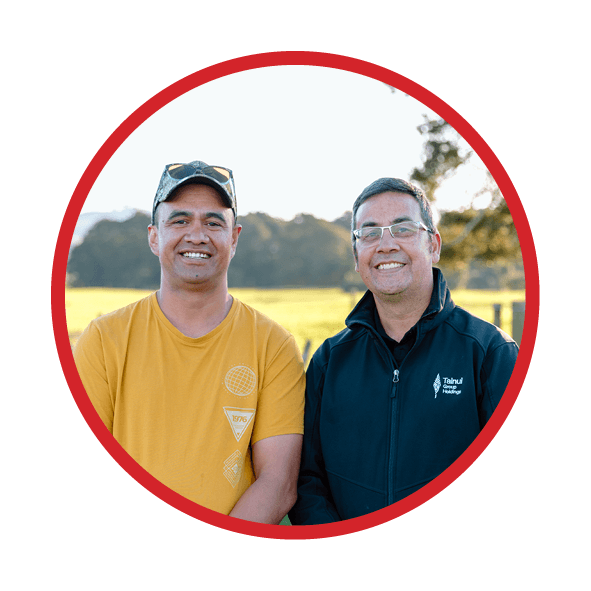
Tainui Group Holdings
Tauhei, Waikato
Bio
Brett Te Whare and Mike Pritchard oversee Mangatea Farm, a Waikato-Tainui iwi-owned dairy operation near Tauhei, milking around 500 cows across 190 effective hectares. Managed under Tainui Group Holdings (TGH), the farm is part of a wider intergenerational whenua-based enterprise supporting dairy, livestock, and forestry.
With a strong focus on kaitiakitanga, the team is working to improve the health of the Mangatea Stream, a significant waterway for mana whenua. Their approach centres on building resilience across soil, pasture, and people, while increasing the amount of homegrown feed and strengthening overall farm performance.
Mangatea Farm is on a journey of transition, with a growing emphasis on sustainable land use and long-term environmental outcomes. Guided by iwi values and supported by a collaborative team, Brett and Mike are helping shape a farming system that balances productivity with care for the land and future generations.
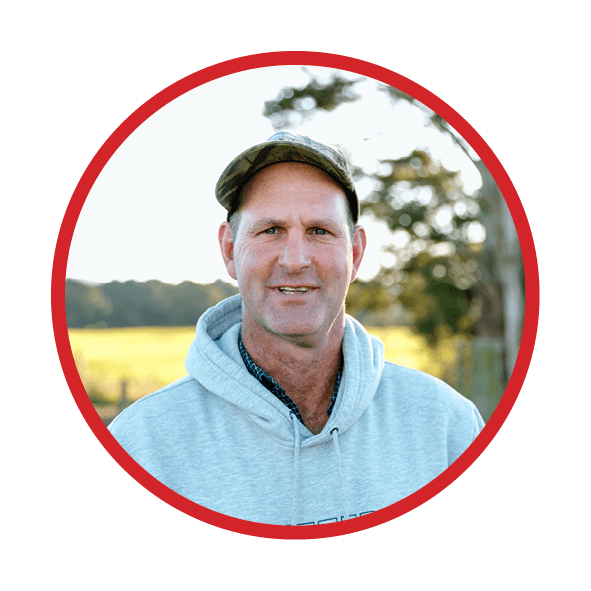
Omahanui
Mihi, Waikato
Bio
Rhys Bullock is the owner-operator of Omahanui Farm, a 140-hectare property near Mihi, with 110 hectares in dairy production, milking 156 cows. Running a simple, low-input system, Rhys focuses on maintaining a balanced lifestyle while steadily improving farm profitability and performance.
Farming on land previously in forestry, Rhys is working to rebuild soil function and increase the amount of homegrown feed, with a strong emphasis on better nutrient cycling and efficiency. His open approach to data and willingness to trial new ideas supports ongoing improvements across the farm system.
Alongside production, Rhys is actively developing a landscape plan to optimise land use, including integrating trees for shelter, carbon value, and environmental benefits. With a practical mindset and clear long-term vision, Omahanui Farm reflects a thoughtful approach to building a resilient and sustainable farming system.

Tironui Farm
Opotiki
Bio
Matt and Mel Gloyn are the owner-operators of Tironui Farm, an 88-hectare dairy farm in Ōpōtiki, milking 180 cows. Farming on flat, well-developed land along the Ōtara River, they run a productive system supported by strong infrastructure and a hands-on approach.
Currently operating a more conventional system, Matt and Mel are beginning a transition toward more sustainable and cost-effective farming. They are focused on reducing reliance on inputs, improving pasture performance, and finding practical solutions that work within the challenges of their environment, including managing bristle grass across much of the farm.
With a clear goal of leaving the land better than they found it, Matt and Mel are exploring new approaches to soil health, forage production, and farm efficiency. Tironui Farm represents a thoughtful transition in progress, balancing productivity with a growing focus on long-term sustainability.
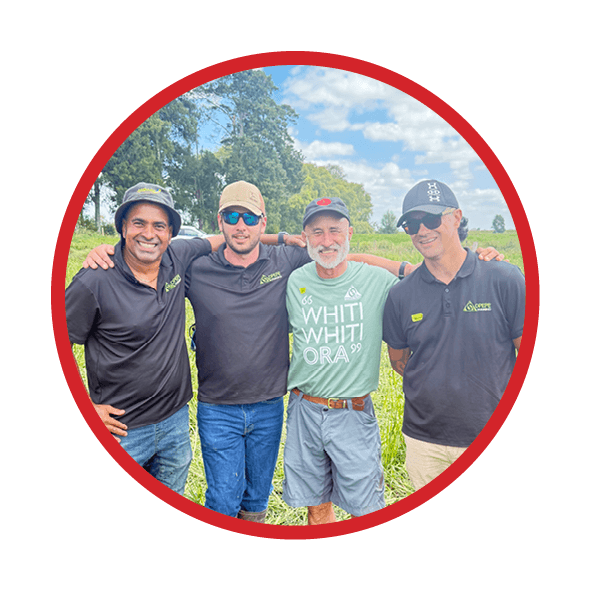
Opepe Farm
Taupo
Bio
Trust-owned farming business near Taupō, supplying Miraka. Managed under the Ahu Whenua Trust, the farm spans two dairy units and a support block, reflecting a long-standing commitment to intergenerational land stewardship.
With a strong focus on continuous improvement, the team is progressing a transition toward more biologically driven farming systems. Recent success with diverse summer crops has driven plans to expand pasture diversity across the farm, supported by a clear focus on data, measurement, and performance tracking to ensure both environmental and financial outcomes are achieved.
Backed by a supportive governance board and experienced advisory network, Vernon and Lakmal are leading a forward-thinking approach that prioritises soil health, animal performance, and long-term resilience. Opepe Farm stands as a powerful example of large-scale, values-led farming, grounded in both innovation and kaitiakitanga.
Learn with Our Farmers
Join our farmers as they trial new ideas, share what’s working (and what’s not), and show how small changes on-farm can lead to big results for the land, the animals, and the future.
Image by Shepherdess
Thank you to our funders: