Chris Brennan | Moxi Farm Forests
I first met Jenny and Miah on their South Waikato farm to talk about native remediation. They had a few blackberry filled gullies they needed to clean up and we were looking for trial sites for drone seeding remediation.
As we do with all our projects, we began by checking if there was any existing forest on the property that might be eligible for carbon credits. Often we find that landowners are sitting on unclaimed carbon credits without realising it, and this can be the catalyst that helps get a remediation project off the ground.
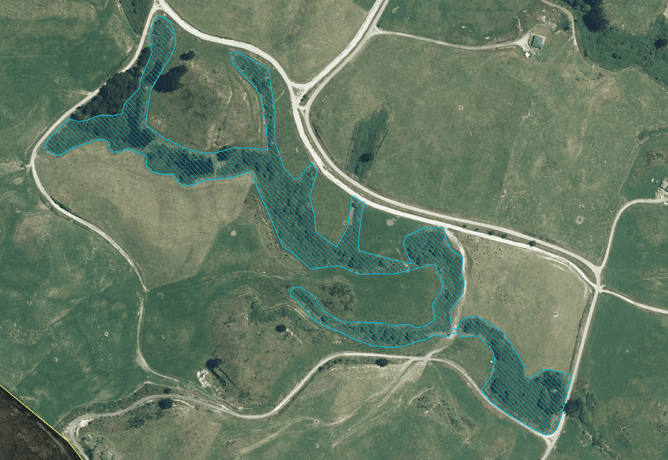
In Jenny and Miah’s case, we found around 48 hectares of potentially eligible forest. With that kind of area, the numbers were compelling, and they decided to go ahead with registering.
The registration process itself took around four months. months, the first four weeks being ground truthing and preparing evidence, followed by a three month processing time on MPI’s end. We now have 20 hectares successfully registered, with the other 28 hectares currently under review.
So far with the benefit of some backdated carbon credits, Jenny and Miah have been able to realise over $80k from their carbon bank. That’s money they’ve been able to use to fund future improvements on the farm.
"We never expected those overgrown gullies to hold value. It’s got us through the winter and allowed us to bring forward our plans for tree planting. It’ll pay for a new haybarn this summer too." – Jenny and Miah
There’s often a bit of skepticism about carbon credits. It’s a relatively new space and it’s full of acronyms and red tape. I don’t see carbon credits as a magic bullet. I see carbon credits as a tool, a part of the farm system. One that can support farmers to do the things they already want to do - restore land, retire marginal areas, and build resilience.
If you’re wondering whether forest areas on your farm are eligible for carbon credits, we’ve built a free tool to give you an idea. You can try it here.
Miah and Jenny are now planting out erodable land on their property in poplars and have plans for native remediation in their blackberry filled gullies. Made possible by the hidden value unlocked by their new carbon bank.

FAQ's
What are carbon credits?
Carbon credits (NZUs) represent the carbon stored in your forest. You earn them each year through registered forest areas and can sell them on the carbon market.
How do I get paid from carbon credits?
Once registered, you can sell your NZUs on the carbon market through a broker, similar to the stock market.
Who buys the credits?
Large companies and emitters who are legally required to offset their emissions. Many of them buy directly from landowners through the carbon market.
What are backdated credits?
If you register existing forest before 31 December 2025, you can claim credits back to 1 January 2023. That’s because carbon returns are filed in multi-year periods. But timing matters. MPI goes by the approval date, not submission date, and it usually takes 3–4 months for them to process your application.
Is my forest eligible?
To be eligible your forest must be at least 1 hectare, 30m wide on average, and 5m tall at maturity. There are some grey areas around previous forest and or scattered forest. If you’re unsure ask a professional.
Can I register the trees around my house?
Yes, as long as they meet the forest definition, and you maintain 30% canopy cover, you can register. But you won’t be able to significantly alter or reduce those trees in future.
How do I register?
You have to provide good quality evidence to MPI to be successful in your application. This includes GIS mapping, ground truthing and setting up carbon holding accounts. Using a consultant will give you the best chance of success. You can also have a crack yourself through the online portal.
Can you check our forest?
Yes. Start by trying our free tool.
This will give you an idea of your eligibility to start with. If it looks good, you can choose to proceed with a paid eligibility assessment.